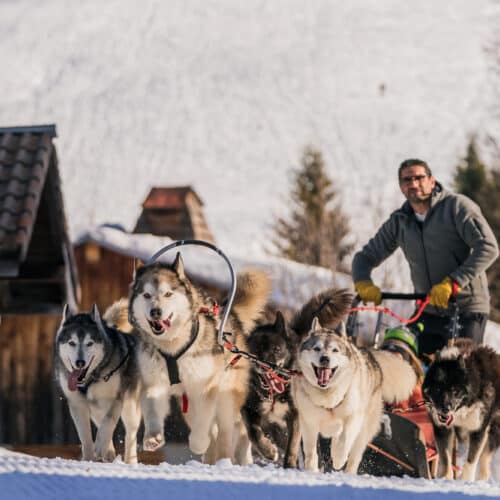
When the first slopes open, the urge to hit the slopes and enjoy the mountains is strong… but a skiing holiday cannot be improvised.
To fully enjoy your descents, limit fatigue and maximise pleasure, physical preparation is absolutely essential. Good physical condition is the key to safety and performance on the slopes.
To be ready, it’s best to start a few weeks before you leave (ideally 4 to 8 weeks) and establish regular habits: your muscles will strengthen, your body will adapt and the risk of aches, pains and injuries will be considerably reduced.
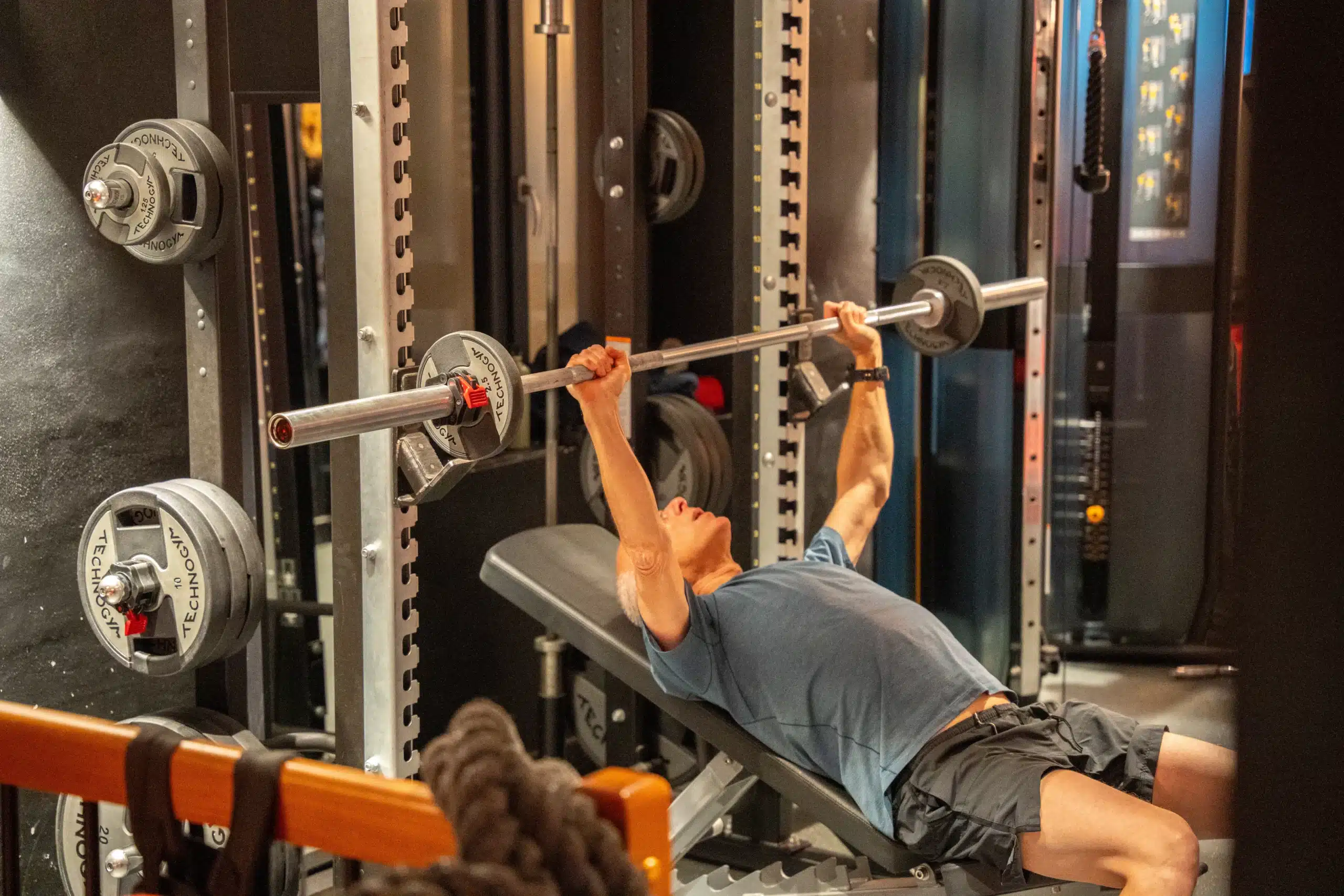
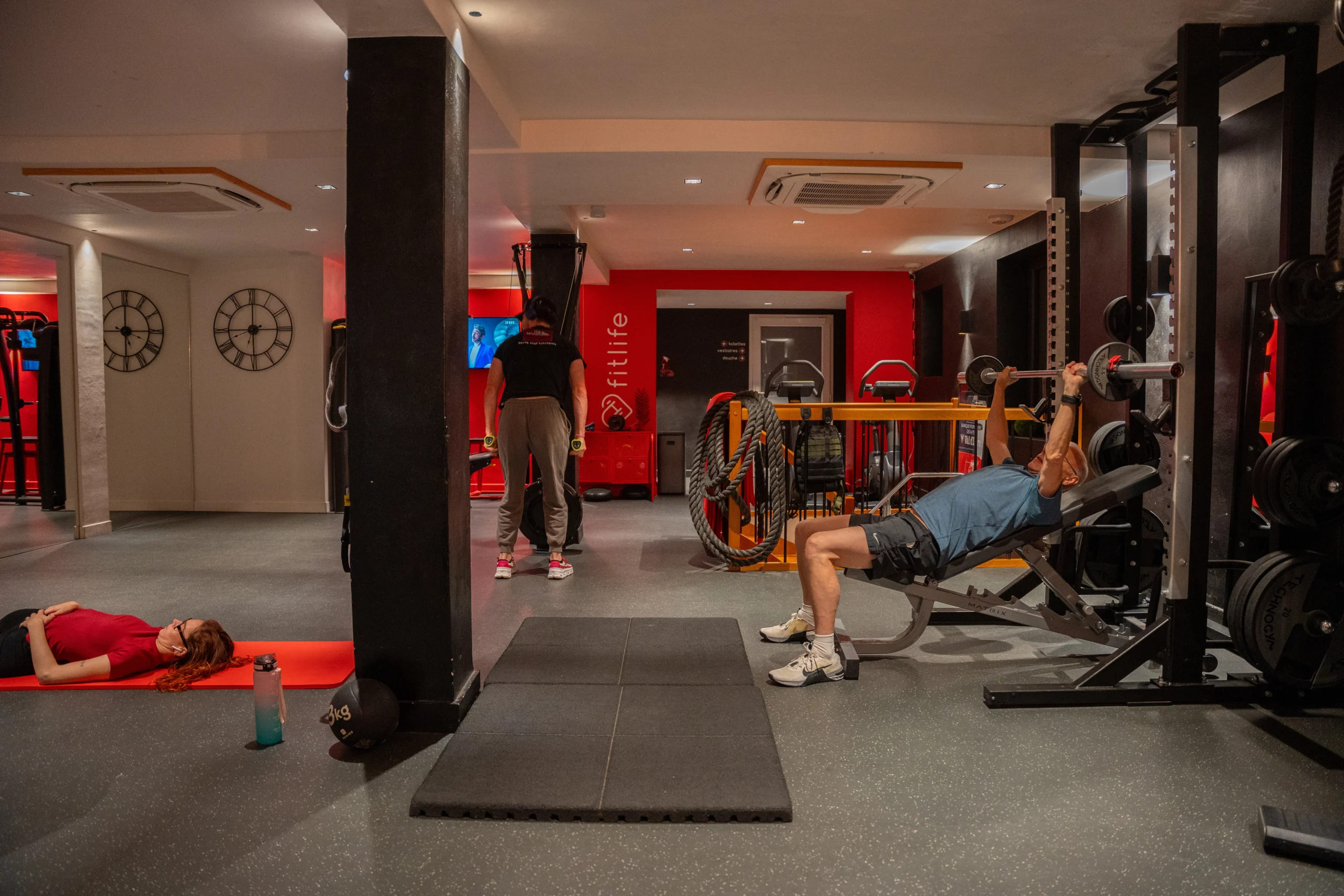
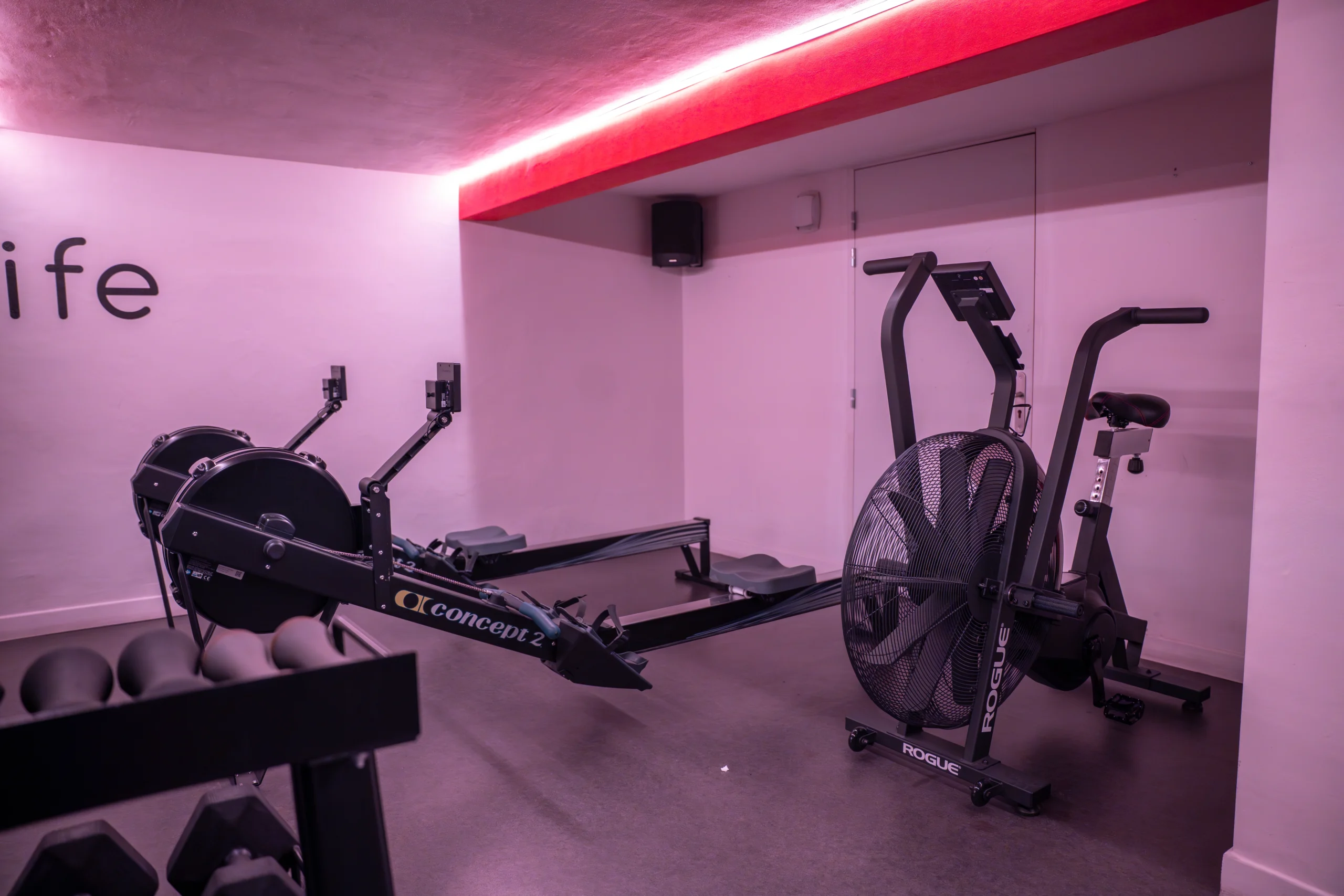
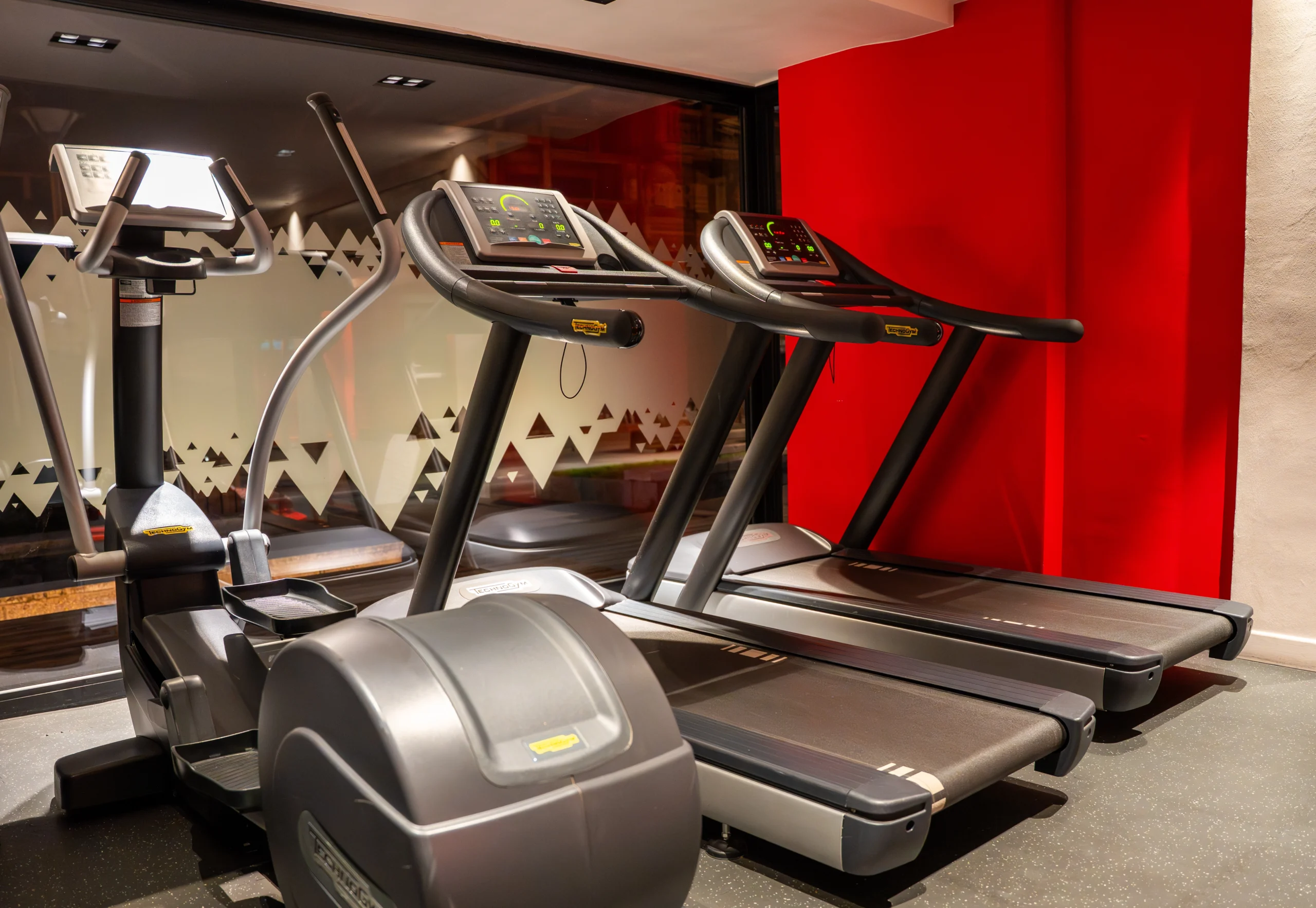
To offer you an effective physical preparation programme, Les Gets Tourisme met with Adeline Baud-Mugnier, manager of the Fitlife gym in Les Gets. With her experience and knowledge of the demands of skiing, she reveals three essential exercises to prepare for your holiday on the slopes.
Who is Adeline BAUD-MUGNIER ? What is her background in the ski world ?
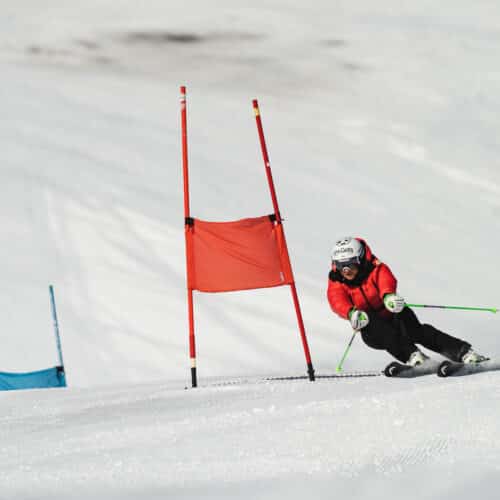
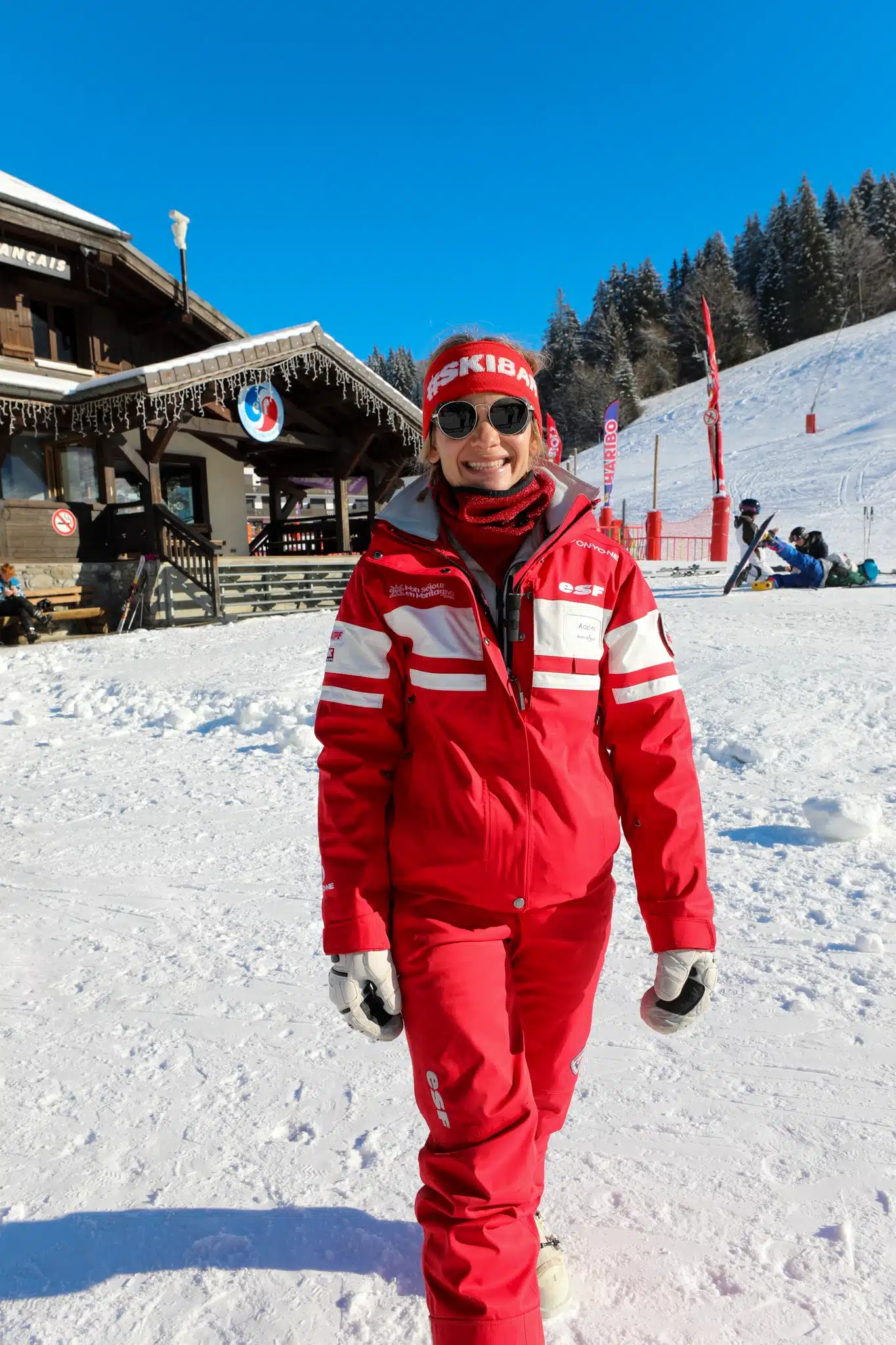
Adeline Baud-Mugnier, a top level alpine skier and native from Les Gets, experienced the competitive thrill from a very young age. She competed in the Junior World Championships, European Cup, World Cup, and the Olympic Games in Sochi in 2014 and PyeongChang in 2018, before ending her sporting career in 2019 at the age of 26 following several serious knee injuries.
Following her career, Adeline, accompanied by Flora Mugnier, decided to open Fitlife, their own fitness centre located at the heart of the village of Les Gets. Together, they offer personalised support, private coaching and tailor-made follow-up to help everyone achieve their wellness and performance goals.

Meet Adeline BAUD-MUGNIER to discover three key exercises for physical preparation for skiing
Why is it important to prepare physically before your skiing holiday?
“It’s very important to have muscle mass to protect your knees. Every year, when people get off the chairlift, we see lots of skiers injuring their ligaments. Having developed muscle mass around the knee protects against this type of injury, for example. As well as your knees, having developed muscle mass is also very important for the rest of your body in general. In situations where you are tired or the snow conditions are not ideal, having a well-developed muscular system helps prevent certain injuries on the slopes.”
Can you give us three typical exercises to get physically prepared for a skiing holiday?
“1 – Squats :
Squats are an exercise that strengthens the thighs (quadriceps, hamstrings, glutes), which are the muscles most used on the slopes. In terms of posture, keep your back straight, your legs hip-width apart, and your toes pointing slightly outwards. As you lower yourself, bend your knees while keeping your torso straight, as if you were sitting on an invisible chair. This replicates the position of skiing downhill, strengthens the endurance of your thighs and prepares your muscles to absorb shocks on the slopes.
2- Lunges :
Lunges develop unilateral leg strength, improve balance and strengthen coordination between your two legs, which is crucial for handling bumps and quick changes of direction.
In terms of posture, place one foot in front of the other, both feet hip-width apart, and lower yourself by bending your back knee almost to the ground, while keeping your torso straight and engaged. As you rise, push your weight back with your rear leg to fully engage your glutes and hamstrings. This position replicates the support and movements needed to navigate bumps, while improving balance and coordination. Lunges help prepare your legs to handle changes in terrain and resist muscle fatigue on long descents.
3- The Chair:
The chair replicates almost exactly the posture of a skier going downhill: thighs bent, back straight, core engaged. It is a muscular endurance exercise that strengthens the quadriceps and improves the ability to maintain a semi-bent position for several minutes. It is an essential exercise for long slopes or technical passages. By keeping your back flat and your feet well positioned, you work on stability and resistance to fatigue, while protecting your knees and lower back.”
When should you start preparing and how often should you train?
“The best time to start this physical training plan is three months in advance. You need to make sure you don’t leave it too late so that the training can be as effective as possible. In terms of frequency, I think training two to three times a week is the ideal pace”
Do you have any bonus tips or advice for getting the season off to a good start without injuring yourself on the slopes ?
“I always recommend doing as much strength training as cardio, even if cardio workouts are sometimes less enjoyable. Beyond just training, I always recommend arriving well rested for your winter skiing holiday so you can make the most of the slopes.”
Would you like to share your favourite stretch after a good day of skiing?
“It’s not a stretch, but I love the acupressure mat. As I work both at the ESF as a ski instructor and at the gym, I take time every evening to do a session with this acupressure mat on my back. It’s my little recovery secret!”